
Timely and adequate notifications in your WebRTC application are essential in delivering a quality user experience. Opportunities to shine or to fail abound, from simply letting someone know another wants to connect to technology issues such as cameras, microphones, and internet strength.
There are a variety of ways you can use traditional telephony in your WebRTC video app, as well as different architectures you can choose to support it from commercial to open source. Let’s explore the reasons you might want to integrate a dial-in or dial-out capability into your WebRTC video or audio application and look at a sample architecture.
When choosing your WebRTC application architecture, there are trade-offs between going with a native application against the standard, an open source media server, or using a commercial CPaaS platform. There are, however, some simple rules you can follow to lead you to the right decision for your use case.
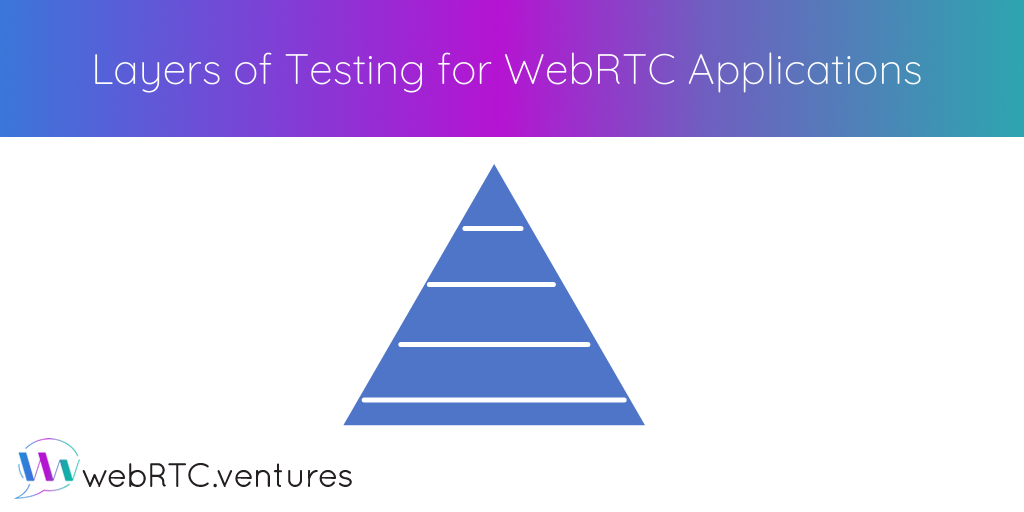
A WebRTC app needs to work on a variety of platforms, in different hardware and network configurations, and at various levels of user load. Testing is not as simple as buying a single tool or adopting a single methodology. It requires layering a variety of techniques, as well as expertise that most teams don’t have.


