
For our 50th episode of WebRTC Live, Arin Sime’s guest was WebRTC thought leader, Tsahi Levent-Levi to discuss trends in WebRTC development in 2021. Topics included WebRTC 1.0, AV1, project maturity, scaling, testing, privacy, background replacement. remote work and social interactivity, end-to-end encryption, and much more. Watch it here!
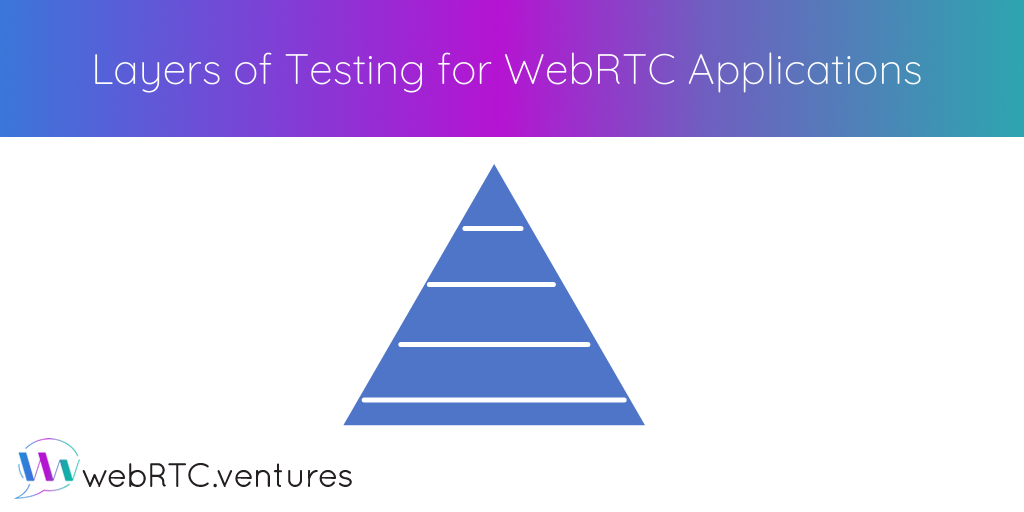
A WebRTC app needs to work on a variety of platforms, in different hardware and network configurations, and at various levels of user load. Testing is not as simple as buying a single tool or adopting a single methodology. It requires layering a variety of techniques, as well as expertise that most teams don’t have.
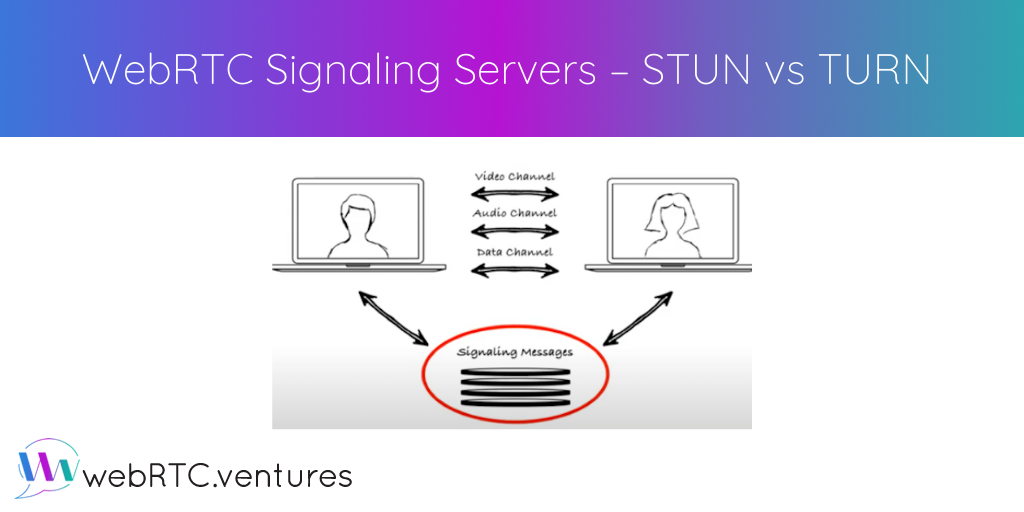
STUN and TURN are two types of WebRTC signaling servers that can be used to create a real-time, peer-to-peer connection. In this post we will explain why we need them, when we need them, why one is beneficial to the other, and how you can get around the problem altogether using a CPaaS.

There’s no need to convince anyone that video is the future of the internet. WebRTC technology was pivotal in helping us cope with being stuck at home for most of 2020. With the end of the pandemic in sight, what lessons have we learned with regard to WebRTC development and what are the trends on the horizon for 2021?


