
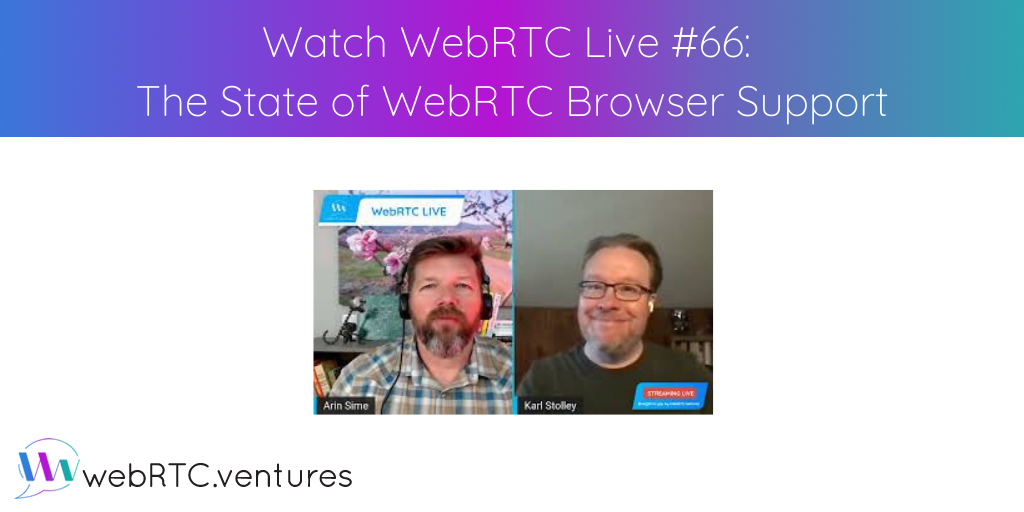
For our 66th episode of WebRTC Live, Arin welcomed IIT Professor Dr. Karl Stolley for a progress report on WebRTC browser implementation. While they have never been as robust or as uniform as they are right now, Karl covered lingering issues in Safari, Chrome, and Firefox.
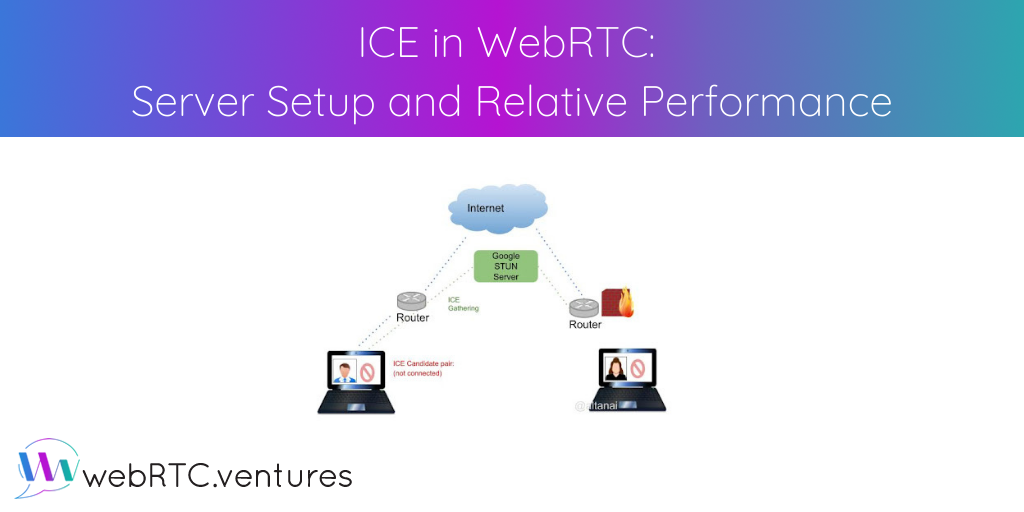
When WebRTC calls are between parties who are not on the same network, have symmetric public-private pairing (NAT), or have firewall restrictions there are a number of protocols that can be used. This post describes relative QoS performance working with no ICE Servers, a public STUN server, and a self-hosted CoTURN server.
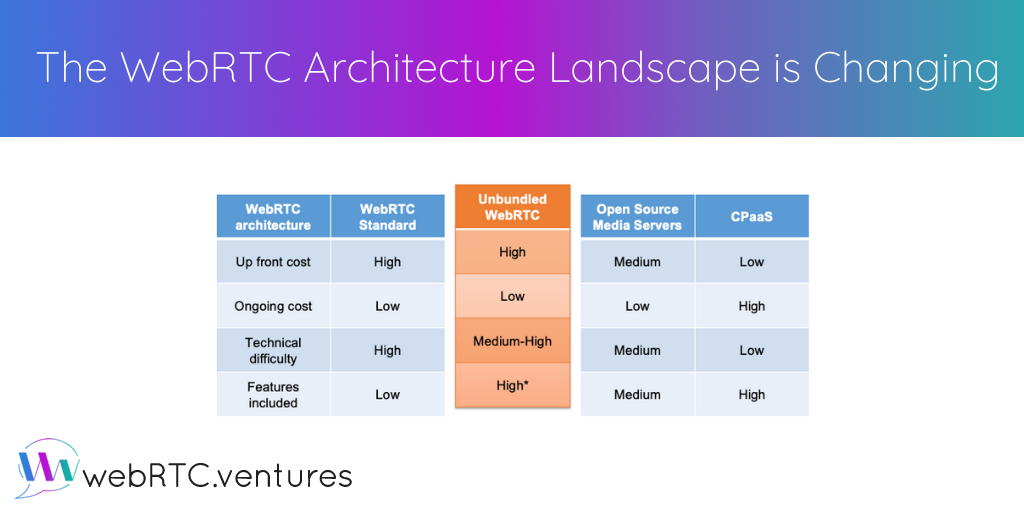
In the past, we’ve spoken of three different types of WebRTC application architectures. There’s a new kid on the block, WebRTC Unbundling, which Arin explores here.
HTTP Live Streaming (HLS) is a protocol commonly used to scale WebRTC video to large audiences. As interactive features are added within and alongside the WebRTC to HLS transcoding, increased latency can tank the user experience. Our team to the rescue.


