

Unlike traditional web applications with simple request-response patterns, real-time communication platforms require a cohesive ecosystem and sophisticated WebRTC tech stack to handle live media streams, manage peer connections, ensure low latency, and have the capability to scale to large numbers of concurrent users. Selecting the right WebRTC
WebRTC has been enabling video and audio communication directly in your browser without any plugins for 10 years now. Even services like Google Meet and Discord use WebRTC to provide crystal-clear voice and video calls in real-time. This powerful technology has revolutionized how we connect online, but
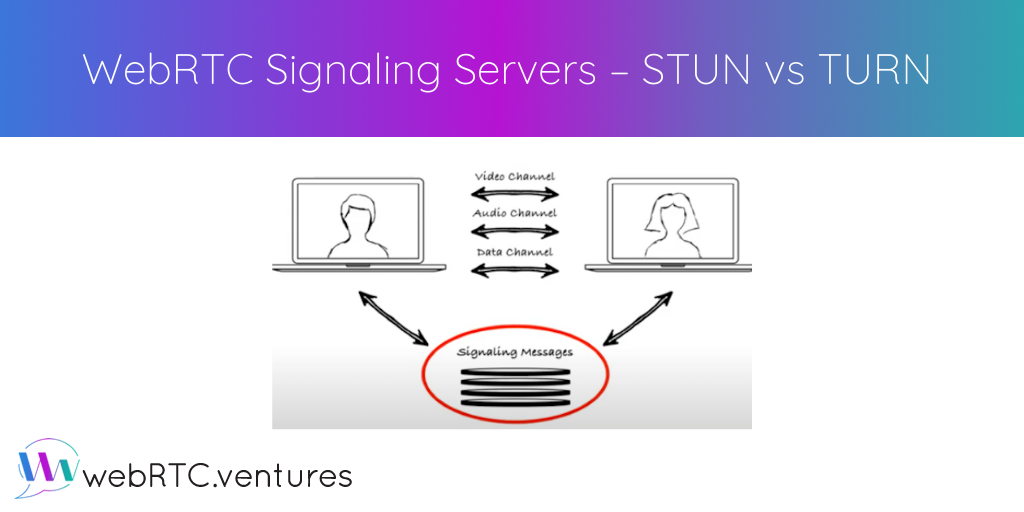
STUN and TURN are two types of WebRTC signaling servers that can be used to create a real-time, peer-to-peer connection. In this post we will explain why we need them, when we need them, why one is beneficial to the other, and how you can get around the problem altogether using a CPaaS.


