
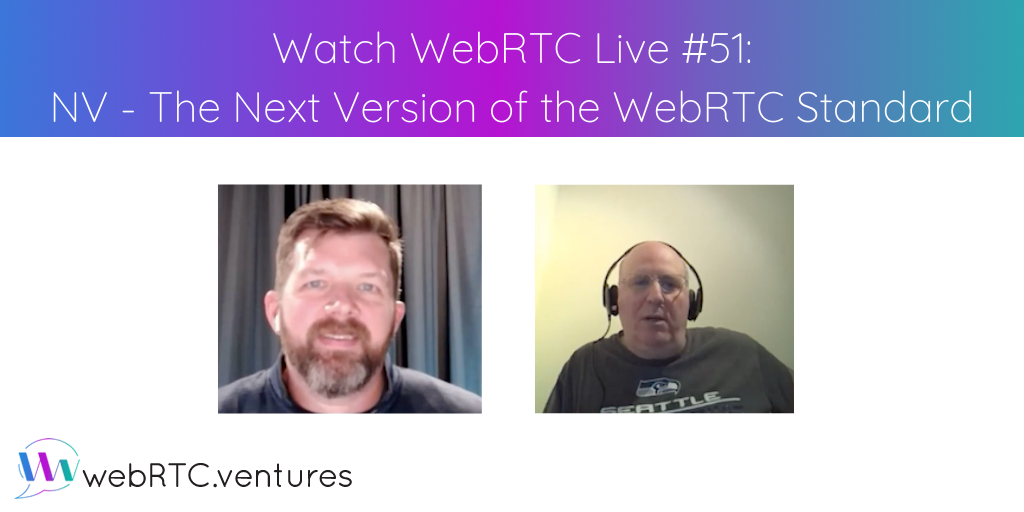
What comes next for WebRTC? In WebRTC Live Episode 51, W3C WebRTC Co-Chair and Microsoft Principal Architect, Bernard Aboba, joined Arin Sime to discuss WebRTC-NV, the next version. He discussed new uses case, WebRTC Extensions, Insertable Streams, Media Capture, WebTransport APIs, and much more. Watch it here!
Even a custom development shop like ours often uses a CPaaS solution when our clients need to get to market quickly or require a large range of communication options within their WebRTC application. Vonage’s comprehensive suite of Communication APIs is a definite go-to for us. We even built it into our own SimplyDoc Telehealth Starter Kit.
When choosing your WebRTC application architecture, there are trade-offs between going with a native application against the standard, an open source media server, or using a commercial CPaaS platform. There are, however, some simple rules you can follow to lead you to the right decision for your use case.
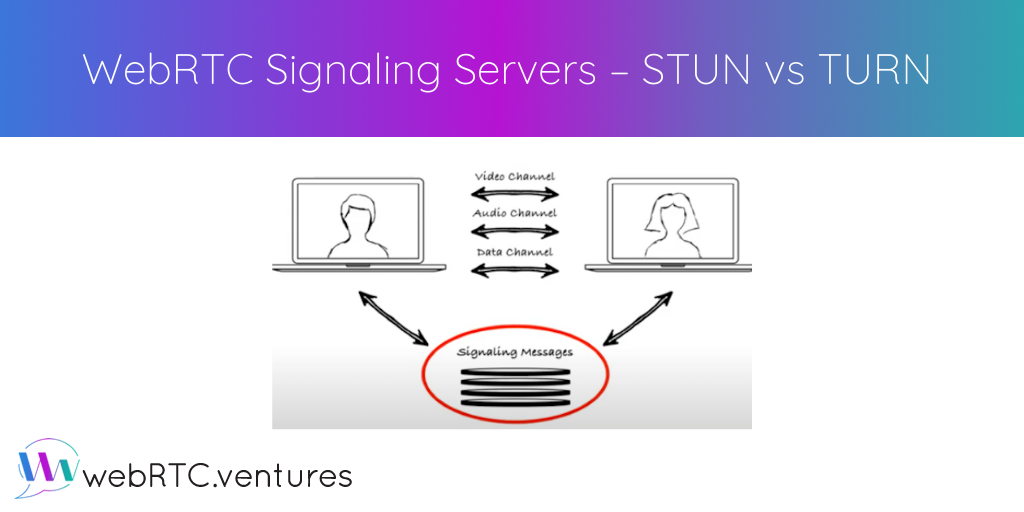
STUN and TURN are two types of WebRTC signaling servers that can be used to create a real-time, peer-to-peer connection. In this post we will explain why we need them, when we need them, why one is beneficial to the other, and how you can get around the problem altogether using a CPaaS.


