

For years, developers building real-time video and audio applications on the web have worked under a quiet constraint: whatever protocol you chose, it had to work in Safari. Well, that’s not 100% true because many WebRTC apps used to have disclaimers like “works best in Chrome”. When

Digital media delivery today relies on two powerful but separate approaches: scalable streaming and real-time conversation. Each one excels at a specific purpose, and understanding both reveals why MOQ represents a fundamental shift in how we may be building these applications in the future. Let’s explore what
Last year, I attended the RTC.ON conference organized by Software Mansion for the first time. I shared my take on the conference in this WebRTC.ventures blog post: A WebRTC Developer’s Take on RTC.ON 2024. I also spoke at the 2024 conference, a recording of that talk is
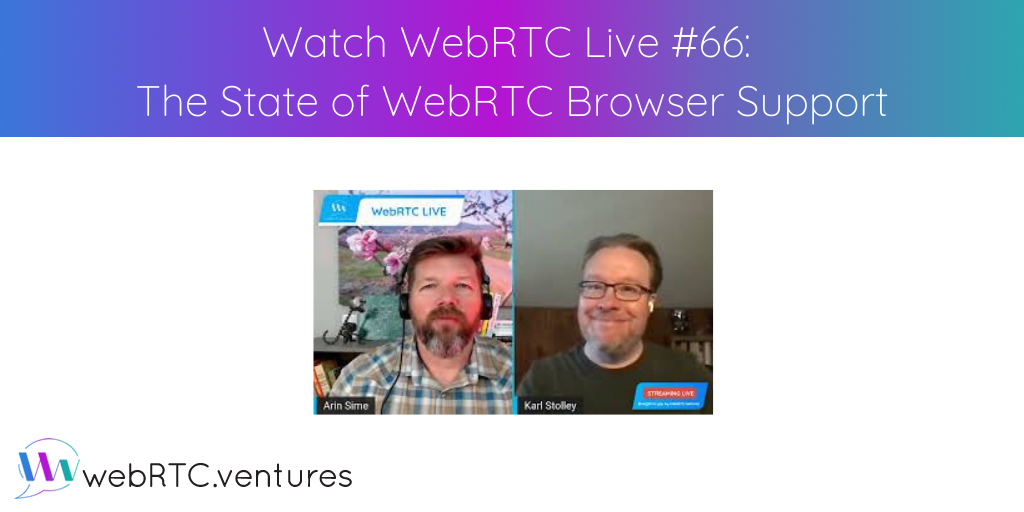
For our 66th episode of WebRTC Live, Arin welcomed IIT Professor Dr. Karl Stolley for a progress report on WebRTC browser implementation. While they have never been as robust or as uniform as they are right now, Karl covered lingering issues in Safari, Chrome, and Firefox.


