

It’s important to consider the full scope of functionality that you want your telehealth application to implement. The must have features in telehealth applications differ based on how you want your application to function. Building it in multiple stages is usually the preferred method to control costs

I’ve spent some time traveling to various healthcare conferences the last couple of months, exploring and learning more about telehealth. At the American Telemedicine Association conference in Chicago in April, one phrase caught my ear: “Video is Data.” I don’t recall who I heard say it first,
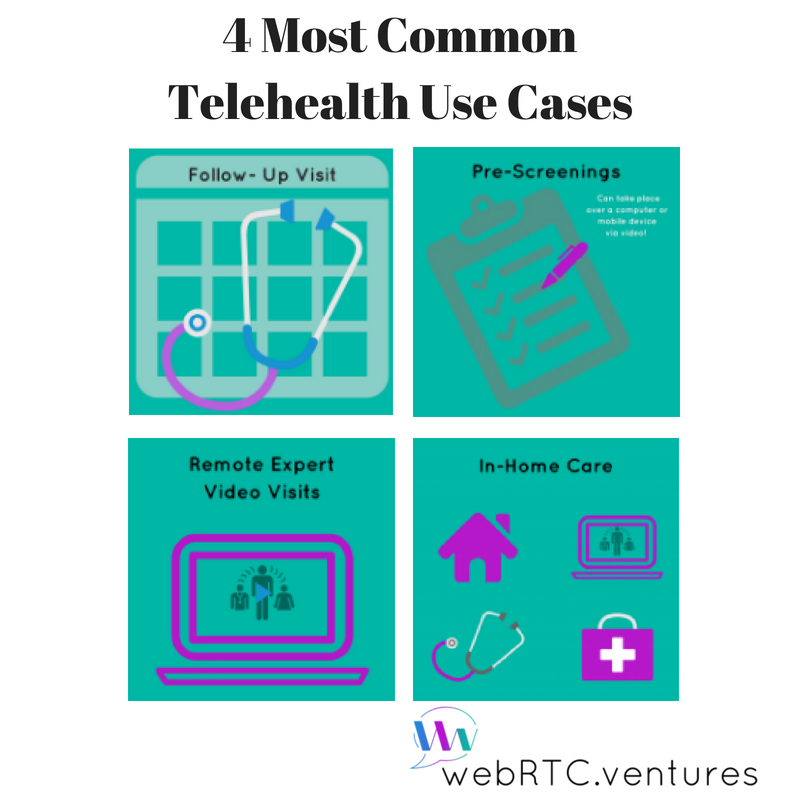
Face-to-face, no matter the place — Telehealth is bringing patients and providers closer than ever before. With quality-of-life improvements for both, it has the potential to revolutionize the way you provide care, while keeping you fully compliant. This post looks at a few common telehealth use cases. Common WebRTC Use
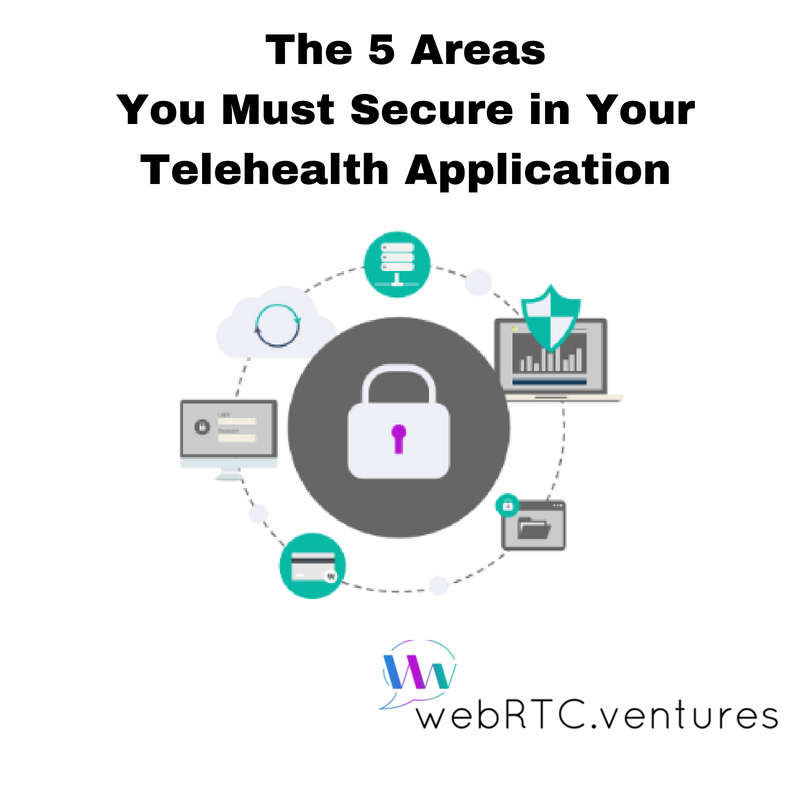
Healthcare Data Breaches Affect Providers of All Sizes. Within the last few years, there were major data breaches of large healthcare providers like Anthem, Premera Blue Cross, and Excellus BlueCross Blueshield. But it’s not only the major providers hackers may target. Smaller medical practices can be a target too,


