
The only thing harder than building a real-time application is testing it. All software needs to work on a variety of platforms, in different hardware and network configurations, and at various levels of user load. Testing a web or mobile video application is more complicated because it’s

Let’s build your WebRTC web, mobile, or Voice AI application! You’ve decided to build a real-time communications application. Now what? Building a live video application is not as simple as it appears, even with the many APIs out there now. How will you develop, design, deploy, scale
You’ve got your WebRTC application ready. Now what? Once your WebRTC or Voice AI application is built and tested, the hard work is not over. Your DevOps strategy for deploying, monitoring, and managing your application’s performance will either become a strategic asset to your organization, or the
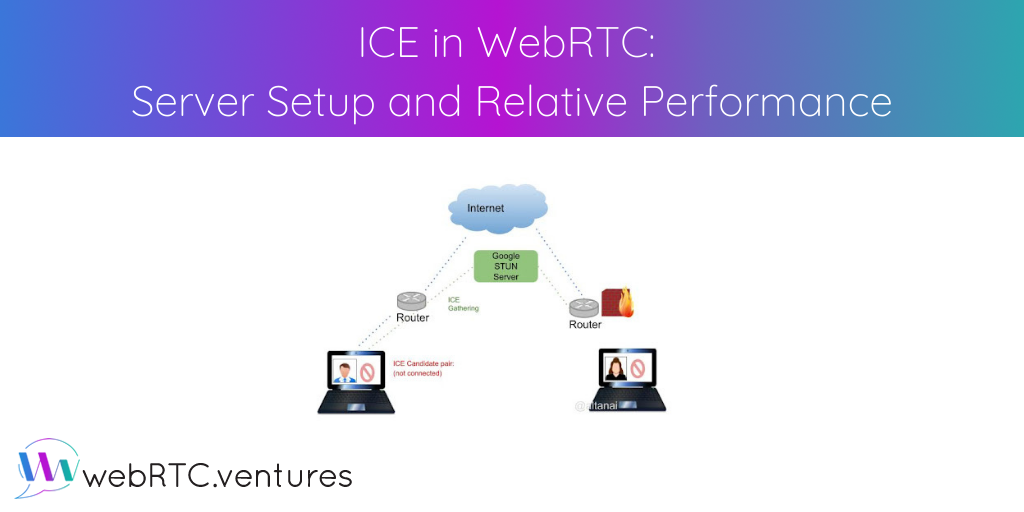
When WebRTC calls are between parties who are not on the same network, have symmetric public-private pairing (NAT), or have firewall restrictions there are a number of protocols that can be used. This post describes relative QoS performance working with no ICE Servers, a public STUN server, and a self-hosted CoTURN server.


