
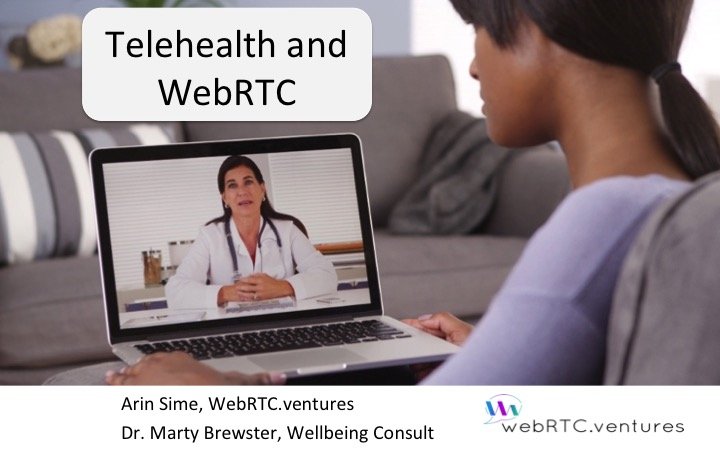
What makes WebRTC such a compelling video communications technology for Telehealth applications? We explored this question in a webinar this week with Dr. Marty Brewster, the CEO and founder of Wellbeing Consult. Wellbeing Consult is one of our clients here at WebRTC.ventures and we have been working

Telephony agents built on Voice AI platforms like Retell AI make it easy for businesses to run live phone conversations through an AI agent instead of an IVR or human call center staff. Getting one of these agents into production means solving two things: integrating it with

Vonage recently released the Video Connector SDK and a companion Pipecat Transport. These new tools let a server-side AI agent join a Vonage Video session as a full participant, with real-time audio and video. Together they make it possible to build an AI Avatar that doesn’t just

Voice AI systems generate more than recordings and transcripts. Every production interaction produces a web of artifacts across multiple systems: call-setup metadata, ASR output, LLM responses, tool calls, CRM updates, escalation events, and compliance-relevant signals like caller identity verification. Most Voice AI architectures store some of these.


